Master Core Incoterms® 2020
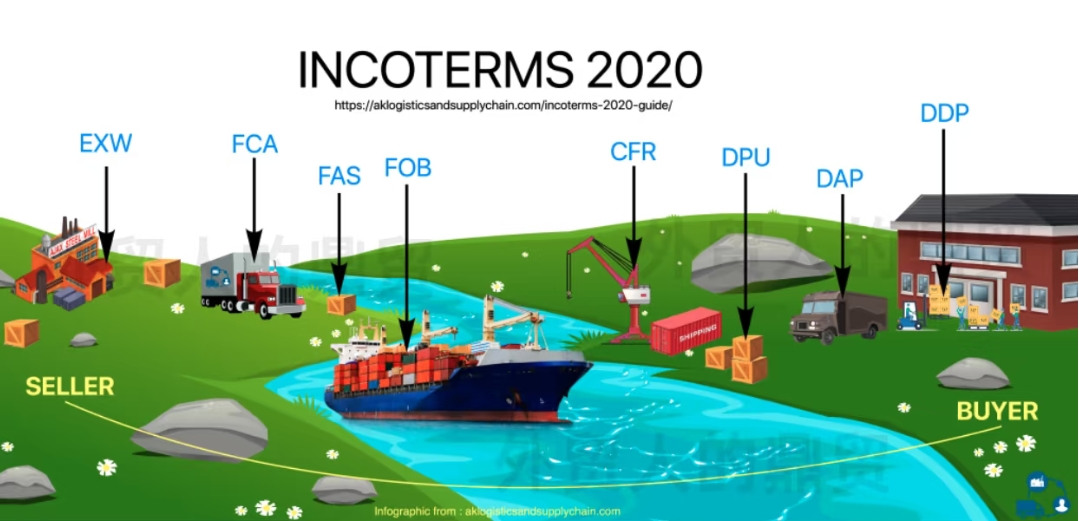
Today, from a buyer’s perspective, we break down high-frequency Incoterms, teaching you to choose based on needs and avoid critical mistakes.
Choosing Incoterms essentially means selecting "control" and "convenience": opt for "independent-type" if you have a trusted freight forwarder, "all-inclusive-type" if you’re new to procurement, or "balanced-type" if you’re in between. Classifying by transportation mode is the clearest approach—first confirm whether goods will be shipped by sea, air, or multimodal transport.
I. Universal Transport Terms: Top Choices for Frequent Procurement
1. EXW (Ex Works): Maximum control but high effort. Suppliers only prepare goods; buyers handle all pickup and customs clearance. Ideal for buyers with mature freight forwarders and familiarity with Chinese logistics—always request stamped customs documents in advance.
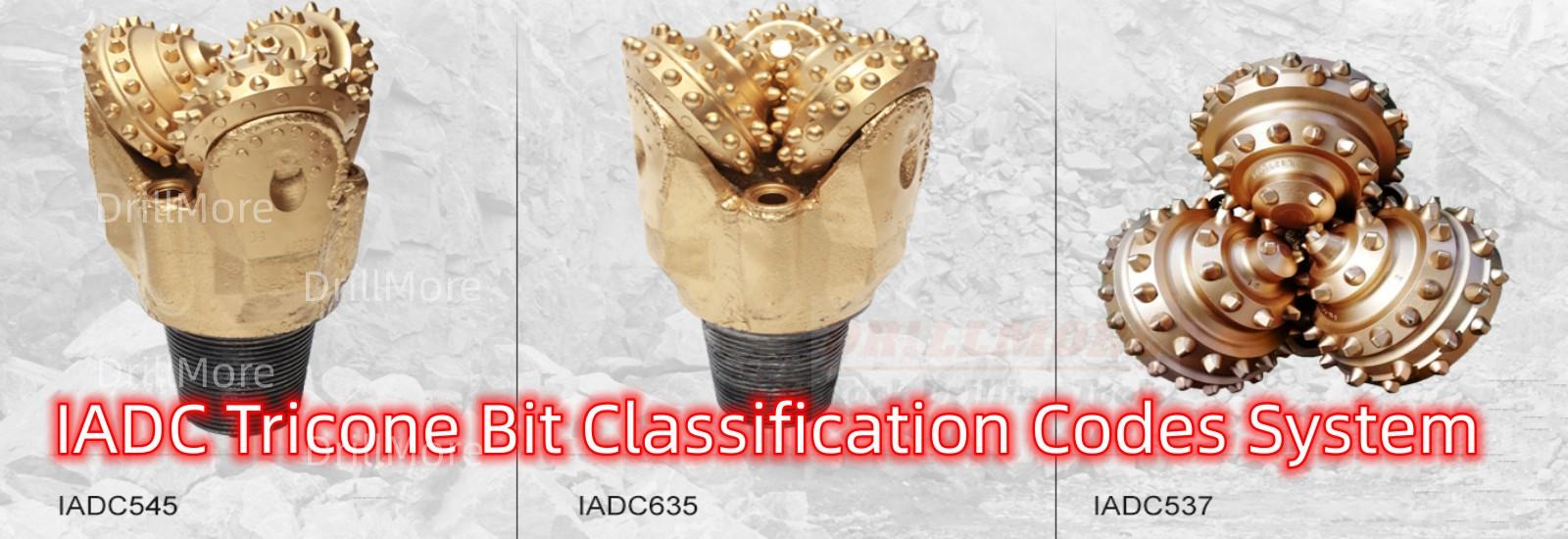
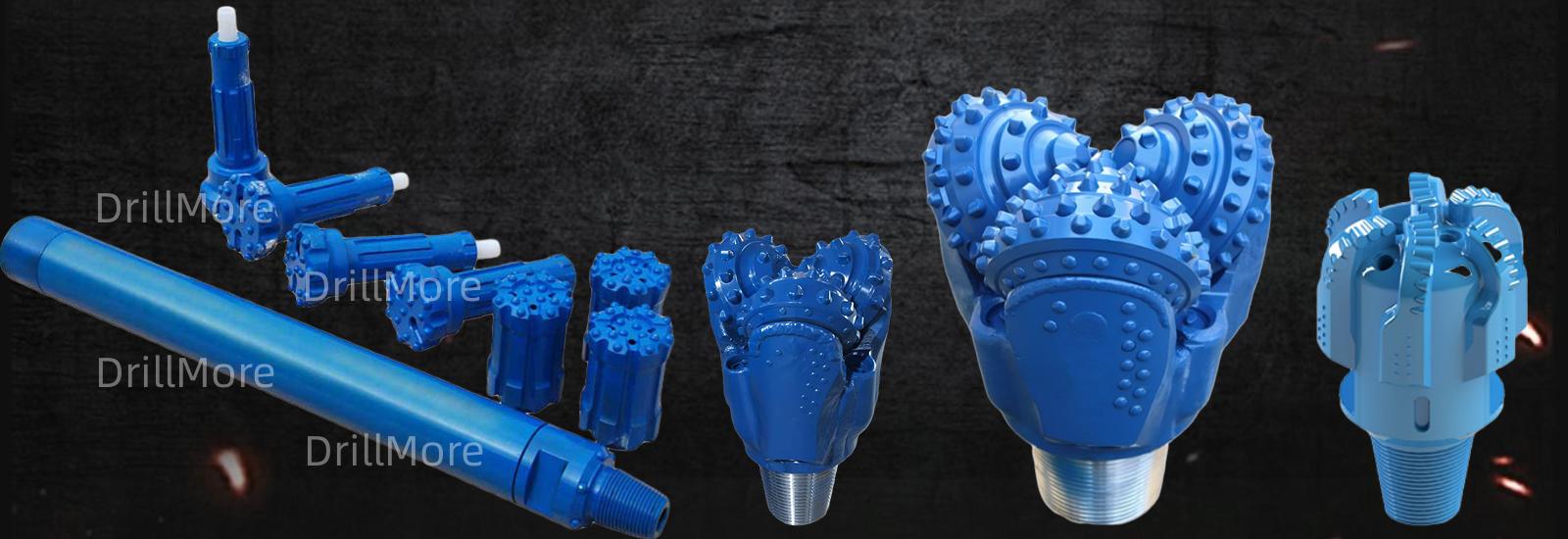
2. FCA (Free Carrier): Best value for money. Suppliers deliver goods to the buyer’s designated location (e.g., Shanghai freight forwarder’s warehouse) and complete export customs clearance. We use this term for purchasing tricone roller bits: it eliminates domestic logistics and customs hassles for just a few hundred yuan extra, making it the top balanced choice.
3.CIP (Carriage and Insurance Paid To): Newbie-friendly. Suppliers cover transportation and insurance, offering more protection than CPT. Since drilling tools are prone to collision and rust, we require "All Risks + Rust Risk" coverage. Last time, we successfully claimed compensation for deformed bits using the insurance policy.
4. DDP (Delivered Duty Paid): Ultimate convenience. Suppliers handle everything from factory to buyer’s warehouse—transportation, customs clearance, and duties. We use it for complex customs destinations: though more expensive, it avoids unexpected costs (ensure quotes include all miscellaneous fees upfront).
II. Sea Transport-Exclusive Terms: Must-Haves for Bulk Goods
1. FOB (Free On Board): The "national term" for sea shipping. Suppliers load goods onto the buyer’s designated vessel and complete customs clearance, letting buyers control the shipping company. Clearly specify "FOB + specific port" in contracts and request an "On Board Bill of Lading" to avoid delays from "Received for Shipment" bills.
2. CIF (Cost, Insurance and Freight): Perfect for newbies. Suppliers cover sea freight, insurance, and loading—buyers only handle customs clearance. Upgrade insurance coverage (e.g., add War Risk for unstable destinations) and ensure the policy covers the entire shipping process.
III. 5 Core Tips to Avoid Procurement Pitfalls
1. Clearly state "Incoterms® 2020" to prevent disputes over old versions;
2. Specify precise locations (e.g., "FCA XX Warehouse, Pudong, Shanghai");
3. Clarify document requirements to avoid missing materials for customs clearance;
4. Agree on communication checkpoints and request shipping/delivery documents;
5. Note protection requirements and insurance coverage for special goods (e.g., drilling tools).
Summary
Newbies/complex customs: Choose CIP or DDP; With a freight forwarder: Opt for FCA or FOB; Bulk sea shipping: Select CIF or FOB. Incoterms are a binding agreement between both parties—safe goods and smooth logistics are the fundamental goals of procurement.
您的電子郵件地址不會發布。所需的字段標記為 *