
Is Your Drilling Cost per Meter Too High? Cost-Cutting Tips from a Veteran Engineer
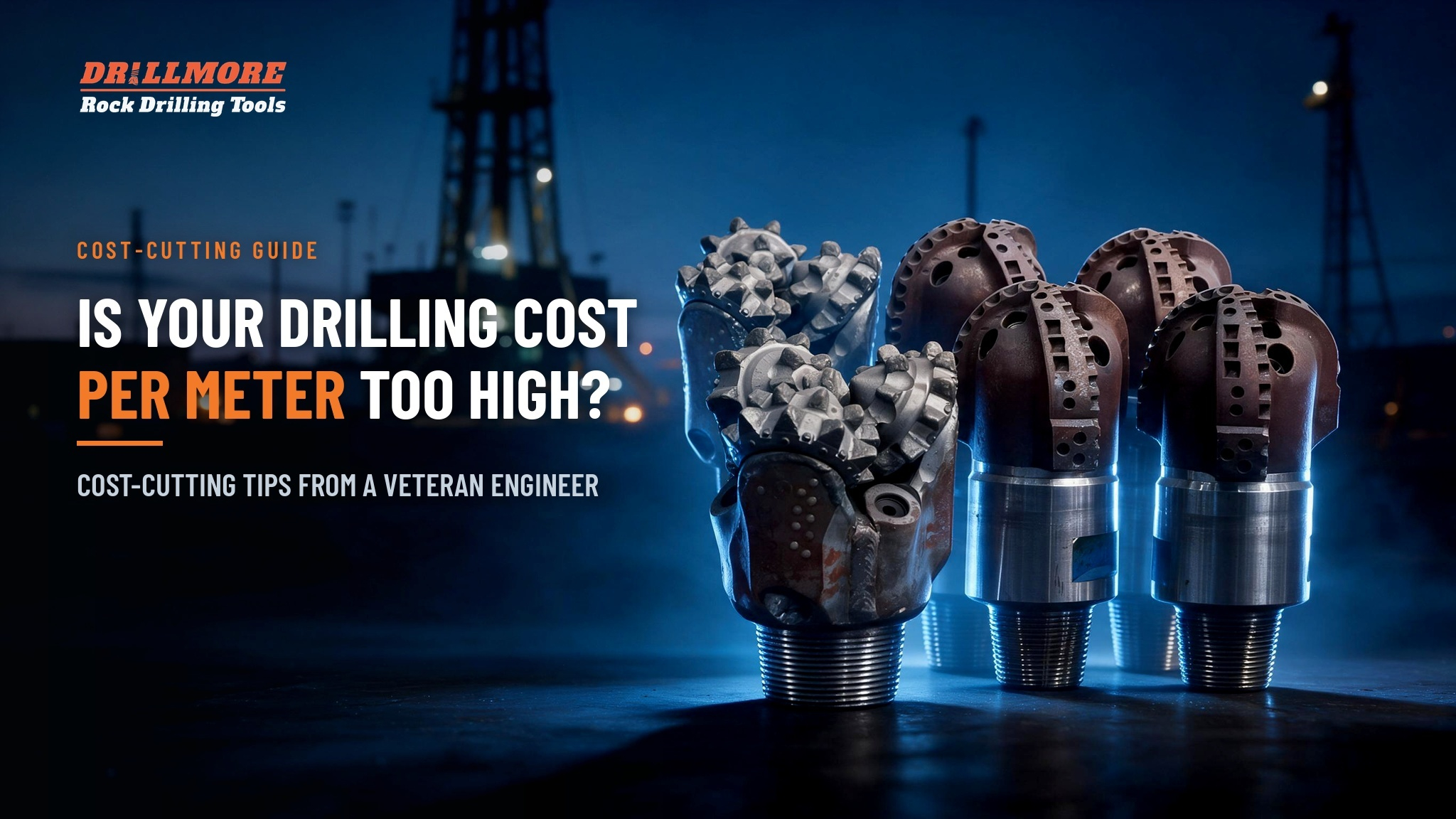
Is Your Drilling Cost per Meter Too High? Cost-Cutting Tips from a Veteran Engineer
In today’s drilling and extraction industry, unit prices are transparent and competition is fierce. Many job sites look impressive in terms of output value, but when the month-end reconciliation comes, profits are thin. In most cases, the problem is not that the quoted price is too low. It is that the drilling cost per meter stays stubbornly high. Wasted consumables, non-standard operating practices, equipment idling, and frequent rework—these seemingly minor details quietly eat away at all the project’s profit.
Many crews misunderstand cost reduction
Many crews think cost reduction means replacing fewer parts, cutting back on consumables, and simplifying procedures. But the most realistic rule on site is this: cost reduction through corner-cutting will eventually turn into rework costs, acceptance inspection correction costs, and equipment repair costs. It is not worth it. Real engineering cost reduction means optimizing details and reducing ineffective waste—squeezing out profit without lowering construction quality or affecting acceptance standards.
Optimizing drilling tool matching is the first step in cost reduction
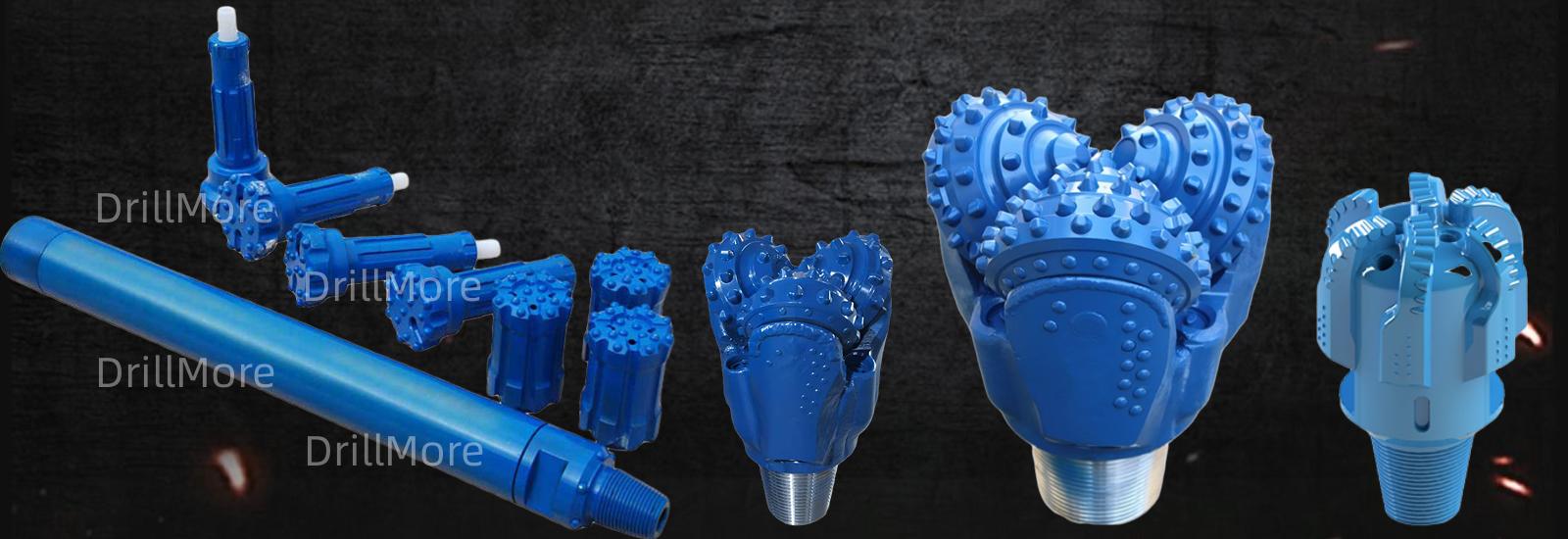
Most consumable waste on site comes from mismatched drilling tools. Using high-end hard-rock drill bits in soft soil layers wastes premium consumables for nothing. Using ordinary low-spec bits in hard rock formations causes rapid tooth chipping and wear, doubling replacement frequency. Matching drilling tools to formations by layer—using conventional consumables in simple formations and targeted high-spec tools in complex formations—is the most basic and effective way to control costs.
At the same time, make good use of existing spare parts and avoid one-size-fits-all scrapping
Slightly worn drill bits and seals do not need to be thrown away immediately. They can be used in low-load conditions such as shallow layers and soft soil. Parts with severe deformation, chipped teeth, or seal failure must be replaced promptly and resolutely—no operating with defects. Making reasonable use of the remaining value of parts can directly lower consumable cost per meter.
Standardizing operating techniques can greatly reduce energy consumption and equipment wear
Inexperienced operators tend to use high pressure and aggressive drilling, leave equipment idling for long periods, and start and stop frequently. It may look fast, but the impact accelerates wear on drill pipes and the top drive, while idling wastes fuel and electricity. Over time, the energy cost per meter becomes surprisingly high.
Experienced operators work with the formation
Experienced operators work with the formation: light pressure and fast penetration in soft soil, heavy pressure and slow penetration in hard rock, and real-time adjustment of rotary speed and weight on bit (WOB) for steady, uniform drilling. This reduces impact wear on equipment and improves penetration efficiency. Shutting down promptly at the end of the shift and cleaning mud and sand off drilling tools also reduces hidden failure risks at the operational level.
Reducing rework is the most cost-effective way to cut costs
Most cost overruns per meter come from rework and redrilling caused by hole collapse, hole deviation, and inadequate cuttings removal. Before construction, do a simple formation survey and adjust the casing embedment depth and drilling parameters in advance. During construction, advance at a steady speed and do not force the drill. In complex formations, adjust the process in time and complete the hole to standard in one pass. This is far cheaper and easier than later correction.
Routine equipment maintenance is the key to long-term cost control
Replace engine oil, filters, and seals strictly according to operating hours, and regularly lubricate drill pipes and clean contaminants from equipment. Well-maintained equipment has a lower failure rate and more stable operation, and drilling tool wear is uniform and controllable. This effectively avoids accelerated equipment aging and high repair costs caused by sudden failures.
Engineering cost reduction is never about cutting corners. It is about finely managing every construction detail. By making good use of consumables, standardizing operations, reducing rework, and sticking to maintenance, you can squeeze out ineffective waste while ensuring project quality—and steadily improve the profitability of the job site.
ທີ່ຢູ່ອີເມວຂອງເຈົ້າຈະບໍ່ຖືກເຜີຍແຜ່. ຊ່ອງຂໍ້ມູນທີ່ຕ້ອງການແມ່ນໝາຍດ້ວຍ *


