
How to Choose a PDC Bit: Match It to Different Formations to Greatly Increase Footage per Run
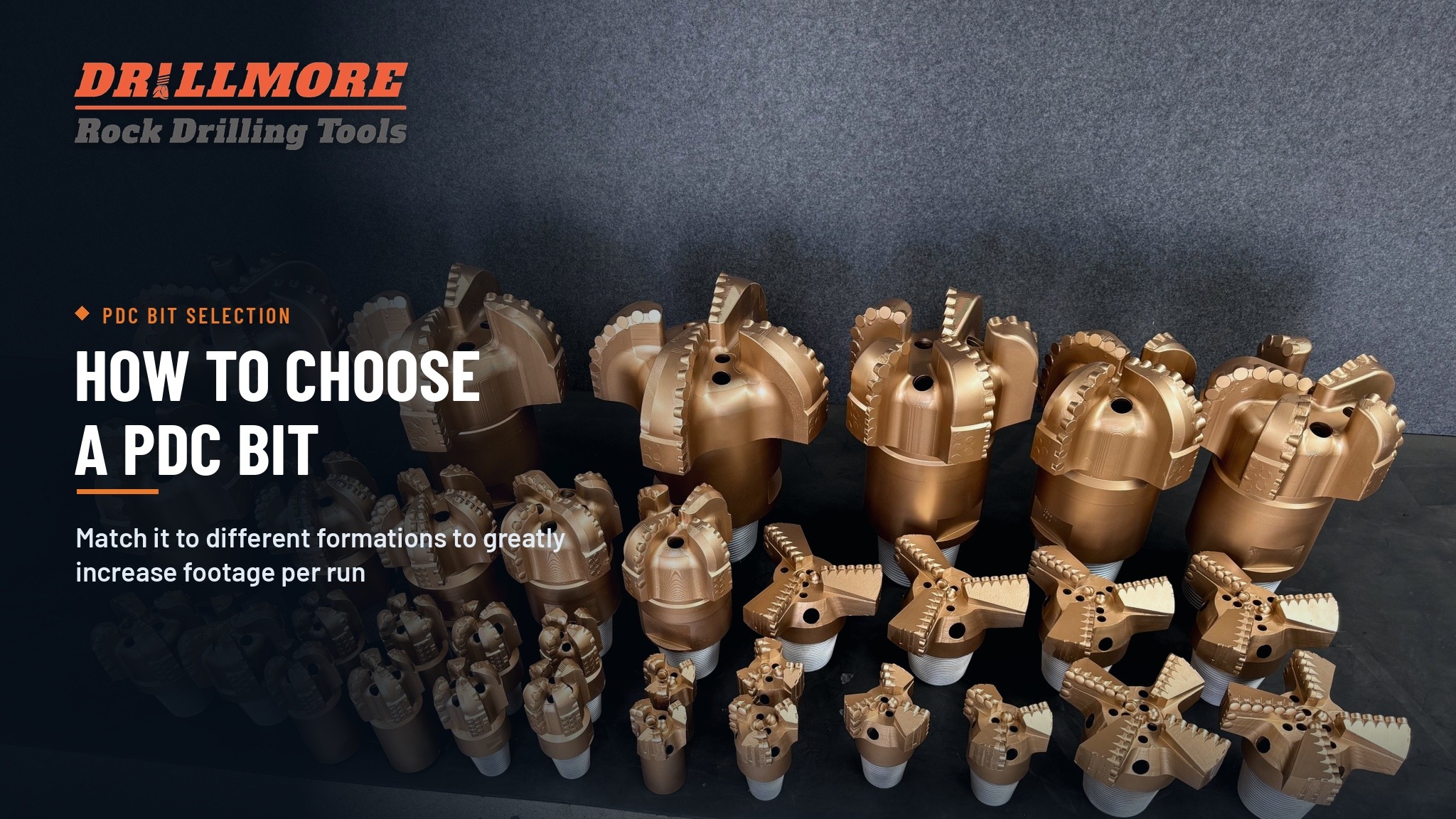
How to Choose a PDC Bit: Match It to Different Formations to Greatly Increase Footage per Run
Many drill operators have the same confusion: with PDC bits, others achieve fast penetration, high footage per run, low wear, and fewer trips out of the hole, but in their own operation penetration is slow, cutters chip or wear quickly, and they frequently trip out to change bits. This not only sharply reduces construction efficiency, but also greatly increases bit consumable costs and downtime losses, seriously reducing overall project returns.
Most people, when they run into this problem, instinctively think the bit quality is poor and buy high-priced premium bits, but the actual drilling result still does not improve. With many years of experience, I would say this: PDC bit efficiency never depends mainly on price; the core is formation compatibility. Different formations vary greatly in hardness, abrasiveness, and geological structure. Once the bit model, cutter type, or cutter layout is wrong, even a premium bit cannot perform to its full potential. Accurate, formation-specific selection can directly increase footage per run, reduce unnecessary downtime, and lower consumable costs.
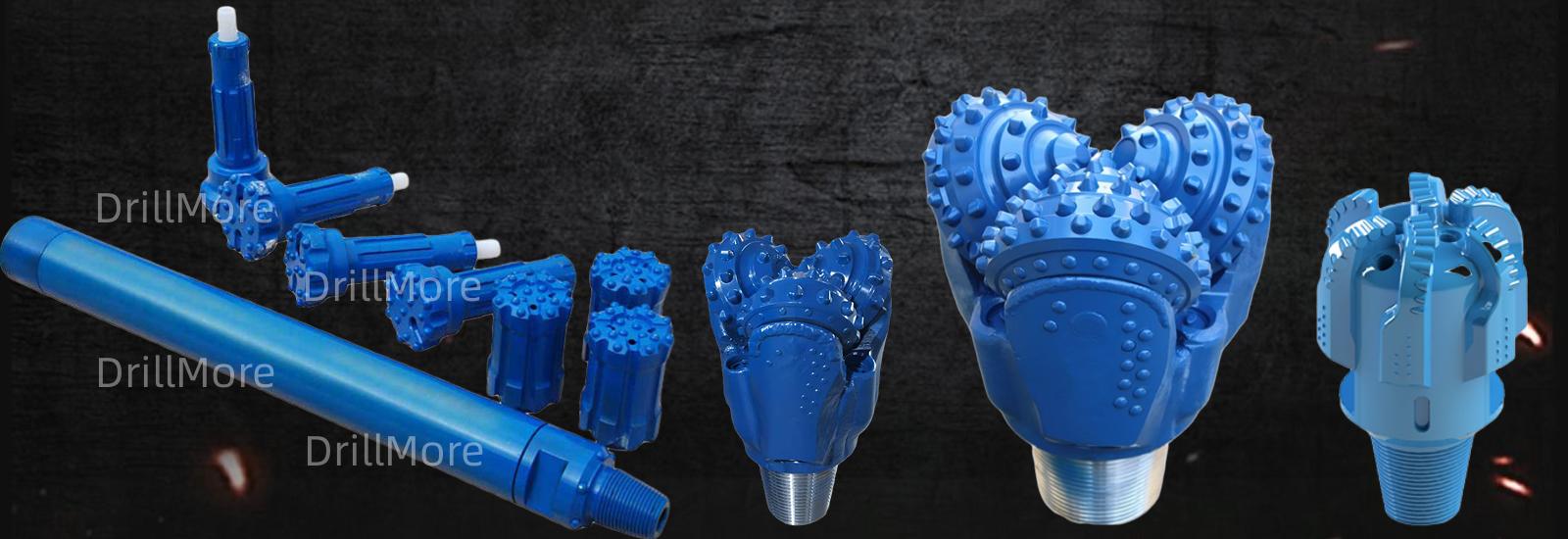
For soft formations such as soft soil, quicksand, and soft mud, give priority to PDC bits with a shallow cone, large junk slots, and closely spaced cutters. These formations have low drilling resistance, but they produce a lot of mud, sand, and cuttings, which easily cause bit balling and cuttings blockage and directly limit penetration rate. The shallow-cone design enters the formation faster and provides more stable steering; wide junk slots quickly clear cuttings and prevent blockage and sticking; closely spaced cutters distribute force evenly, matching the fast cutting needs of soft formations and maximizing footage per run.
For medium-hard rock, sandstone, and dense soil—the most common formations—choose PDC bits with a medium cone, medium cutter spacing, and enhanced wear resistance. These formations are medium-hard and fairly abrasive; ordinary closely spaced cutter bits wear quickly or lose cutters, and later penetration becomes increasingly weak. The medium-cone structure balances entry speed and drilling stability; moderate cutter spacing effectively avoids gravel jamming between cutters; enhanced wear-resistant PDC cutters provide continuous, stable rock cutting and resist formation wear, extending bit service life and sustained footage per run. This fits most conventional drilling conditions.
For hard rock, gravel layers, and broken complex formations—the most difficult conditions—you must use PDC bits with a deep cone, sparse cutter layout, and strong impact resistance. Hard formations have high hardness and strong impact; broken formations have mixed gravel and complex forces, so ordinary bits easily chip cutters, break cutters, deform, and fail. The deep-cone structure has very strong penetrating ability and can break hard rock quickly; the sparse cutter layout reduces formation resistance and avoids cutter jamming; thicker PDC cutters combined with an impact-resistant structure effectively buffer formation impact, prevent rapid bit damage, and solve the core problems of slow penetration and frequent bit changes in complex formations.
Besides bit selection, matching drilling parameters is also critical. With the right bit selected, adjust weight on bit (WOB), rotary speed, and pump rate/flow rate flexibly according to formation hardness: in soft formations, use light WOB and high rotary speed to clear cuttings quickly and increase penetration; in hard formations, use steady WOB and low rotary speed to break rock steadily. Avoid improper parameters that wear the bit and limit footage. At the same time, select a suitable gauge-protection model based on drilling depth and borehole wall conditions to ensure drilling stability and further improve overall drilling efficiency.
The core logic of PDC bit selection is formation-specific matching and matching to needs, not blindly pursuing high price and high specification. By accurately matching formation characteristics and using standardized drilling parameters, you can maximize bit performance, effectively increase footage per run, reduce trip downtime, lower consumable loss, and achieve efficient, low-cost drilling.
Disclaimer: The PDC bit selection experience in this article applies to conventional drilling and exploration scenarios. Special complex formations and high-end precision drilling projects require selection with professional plans. This article does not constitute the sole basis for construction selection.
whatsapp:+86 19318344123
Jou e-posadres sal nie gepubliseer word nie. Vereiste velde is gemerk met *


